
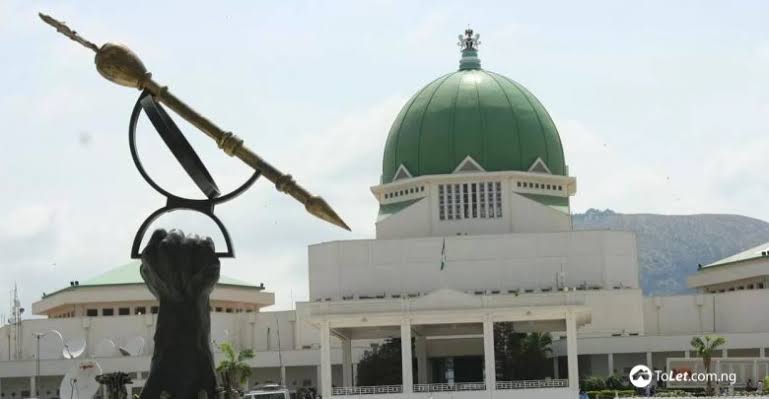


In a bold move aimed at addressing the pressing economic challenges faced by Nigerian workers, the House of Representatives has put forward a proposal for a minimum wage of at least N100,000. This proposition comes at a crucial time when the cost of living in the country has reached alarming levels, making it increasingly difficult for individuals and families to meet their basic needs. The initiative underscores a commitment to ensuring that workers are able to maintain a decent standard of living and fulfill their fundamental rights as enshrined in various international conventions and declarations.
The decision to propose a higher minimum wage was prompted by the rising inflation rate, which has significantly eroded the purchasing power of the average Nigerian. Inflationary pressures have led to soaring prices of essential commodities such as food, housing, education, healthcare, and transportation, placing an immense burden on already financially strained households. As lawmakers rightly pointed out, it is becoming increasingly challenging for workers to afford even the most basic necessities, let alone enjoy a decent standard of living.
The proposal, spearheaded by a bipartisan group of 40 members of the House, demonstrates a recognition of the urgent need to address the widening gap between wages and the cost of living. Aliyu Sani Madaki, speaking on behalf of the sponsors, emphasized the importance of upholding the principles of social justice and human dignity, as outlined in international declarations such as the United Nations Universal Declaration on Human Rights. Article 23 of the Declaration unequivocally asserts the right of every individual to receive just and favorable remuneration for their work, ensuring that they and their families can live in dignity.
Furthermore, the proposal aligns with the objectives of the Sustainable Development Goals (SDGs), which aim to eradicate poverty and promote sustainable development by 2030. Of the 17 SDGs established by the United Nations, eight explicitly call for the implementation of living wage policies as a means of fostering inclusive growth and reducing income inequality. By advocating for a minimum wage that enables workers to meet their basic needs, Nigeria would be taking significant strides towards achieving these ambitious global goals.
The adverse effects of the removal of fuel subsidies in May 2023 have further exacerbated the economic challenges facing ordinary Nigerians. While the government initially introduced palliative measures to mitigate the impact of the subsidy removal, these measures have proven insufficient in light of the continued rise in the cost of goods and services. Despite the recent wage adjustments by the president, the purchasing power of workers remains depressingly low, exacerbating poverty and economic hardship across the country.
According to data from Trade Economics, the living wage for a Nigerian individual was estimated to be N43,200 per month, with the figure rising to N137,600 per month for a family, prior to the fuel subsidy removal. However, the current economic realities necessitate a reassessment of these figures, with many arguing that a minimum wage of less than N100,000 is simply inadequate for survival in today’s Nigeria. The World Bank’s report highlights the detrimental impact of low purchasing power on poverty levels, underscoring the urgency of addressing this pressing issue.
Failure to address the widening income disparity and declining purchasing power threatens to exacerbate poverty and social unrest, posing significant challenges to Nigeria’s socio-economic stability. As Aliyu Sani Madaki rightly warned, unless immediate and pragmatic steps are taken to improve the income levels of Nigerians, the country risks witnessing a further deterioration in living standards, with more individuals slipping into poverty. It is imperative that decisive action be taken to reverse this troubling trend and create an environment where all citizens can thrive and prosper.
The unanimous adoption of the motion by the House of Representatives signals a collective commitment to prioritizing the welfare of Nigerian workers and addressing the systemic inequalities that hinder economic progress. The resolution, once transmitted to the Senate for concurrence, will pave the way for meaningful discussions and negotiations aimed at enacting legislation that guarantees a fair and equitable minimum wage for all workers.
It is worth noting that the labor union had previously proposed a minimum wage of $300 (equivalent to approximately N436,500) for Nigerian workers, citing the erosion of the current minimum wage due to factors such as the high exchange rate and the removal of fuel subsidies. The union’s demand for a new wage reflects the widespread consensus among workers that the current wage levels are woefully inadequate in light of prevailing economic realities.
The proposal for a minimum wage of N100,000 for Nigerian workers represents a crucial step towards addressing the economic challenges facing the country. By ensuring that workers are adequately compensated for their labor and can afford to meet their basic needs, Nigeria can foster inclusive growth, reduce poverty, and advance towards the achievement of the Sustainable Development Goals. It is imperative that policymakers, lawmakers, and stakeholders work together to translate this proposal into concrete action, thereby laying the foundation for a more just and prosperous society for all.