
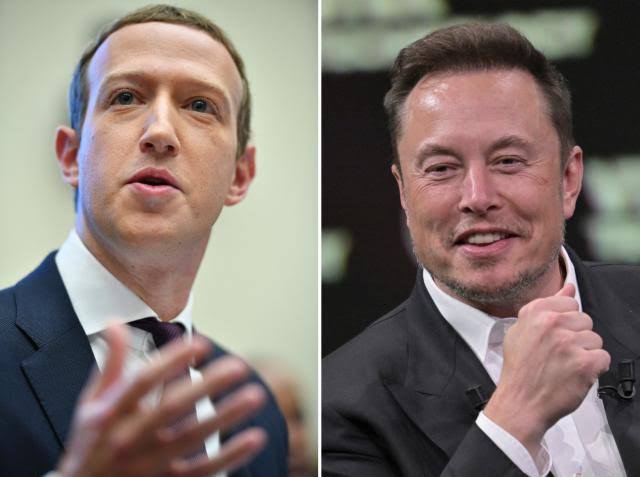


In a recent turn of events on March 5, 2024, Elon Musk, the proprietor of X, seized the opportunity to mock Mark Zuckerberg, the owner of Meta, after a widespread glitch disrupted the services of Facebook, Instagram, and Messenger. This technical hiccup, experienced on a global scale, led to millions of users encountering difficulties logging in and accessing these popular social media platforms.
Reports flooded in from users worldwide, documenting the struggle to connect, with Downdetector.com recording over 300,000 complaints for Facebook and approximately 40,000 for Instagram. While the exact cause of the disruption remains elusive, Andy Stone, Meta’s spokesperson, acknowledged the issue, assuring users that efforts were underway to resolve it. Stone’s reassurance came through a statement shared on X, the platform formerly known as Twitter.
The frustration among users was palpable, as they turned to alternative platforms like X to voice their grievances and, in some cases, to jest at Meta’s expense. Twitter user @Duamalik78 humorously remarked, “Whatsapp, Facebook, and Instagram are down. Everyone coming back to twitter,” while @thecuteabiola quipped, “This thing wey just happen ehn! Instagram dey try tell us say make everyone go learn hand work be that oooo! Anything fit happen at anytime.”
Elon Musk, known for his outspoken nature and penchant for stirring the pot, didn’t miss the chance to take a swipe at Meta amid the outage. He cheekily remarked on X, “If you’re reading this post, it’s because our servers are working,” subtly contrasting the reliability of his platform with the temporary setback faced by Meta’s services.
This isn’t the first time Zuckerberg’s platforms have experienced such disruptions. A similar outage occurred in October 2021, lasting approximately six hours, affecting Facebook, Instagram, and WhatsApp on a global scale. March of the same year also witnessed glitches across these platforms, further highlighting the challenges of maintaining seamless service delivery for such widely used social media networks.
The recurring nature of these outages underscores the fragility of our digital infrastructure and the immense pressure faced by tech giants to ensure uninterrupted service for their vast user bases. As society becomes increasingly reliant on digital communication and social networking, any disruption, however brief, can have far-reaching consequences, impacting individuals, businesses, and even global connectivity.
In the wake of such incidents, questions inevitably arise regarding the resilience and preparedness of these tech conglomerates to handle such challenges. While efforts are made to address immediate issues and restore service, the underlying vulnerabilities in our digital ecosystem cannot be ignored.
Moreover, the competitive landscape of social media adds another layer of complexity to these disruptions. Rivalries between tech titans like Musk and Zuckerberg often play out in the public domain, with each seeking to gain an edge over the other. While friendly banter and jibes are common in any industry, the intertwining of personal rivalries with widespread service outages adds a unique dimension to the narrative.
Beyond the realm of corporate rivalry, however, lies the broader impact on society. Social media platforms have become integral to modern communication, serving as channels for expression, connection, and information dissemination. When these platforms falter, even momentarily, the ripple effects are felt across various sectors, underscoring the need for robust contingency plans and infrastructure resilience.
Looking ahead, it’s essential for tech companies to prioritize investment in infrastructure, cybersecurity, and redundancy measures to minimize the risk of future disruptions. Additionally, greater transparency and communication with users during outages can help alleviate concerns and foster trust in these platforms’ reliability.
As Elon Musk’s playful jab at Mark Zuckerberg illustrates, the world of tech is as dynamic as it is unpredictable. While disruptions may be inevitable, it’s how companies respond and adapt to these challenges that ultimately defines their resilience and longevity in an ever-evolving digital landscape.